
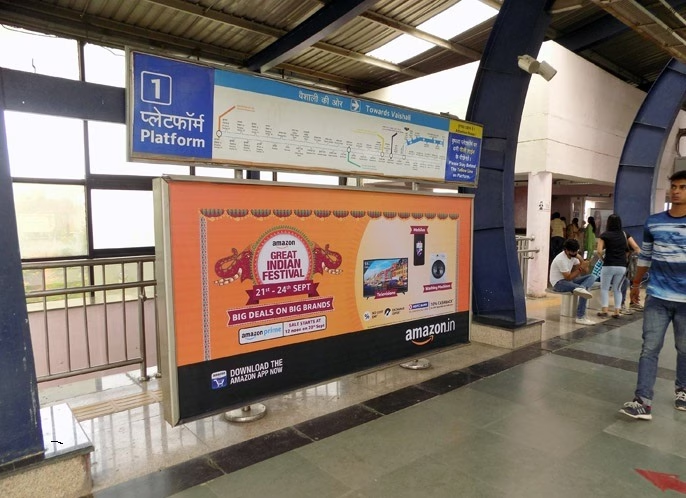
Flex Boards @ Metro Stations – High-Impact Urban Transit Advertising for Premium Visibility
Flex Boards @ Metro Stations are a strategic traditional advertising format designed to capture urban commuter attention in structured, high-frequency transit environments. Metro stations in cities like Hyderabad operate with disciplined passenger movement, predictable peak hours, and concentrated urban audiences. Advertising through flex boards inside and around metro stations ensures repeated daily exposure to working professionals, students, business owners, and urban families.
Unlike highway hoardings that rely on fast-moving traffic, metro station advertising benefits from controlled pedestrian flow and waiting time. Commuters stand at ticket counters, wait on platforms, use escalators, and walk through corridors—creating multiple visual contact points during a single journey.
What Are Flex Boards @ Metro Stations?
Flex Boards @ Metro Stations are large-format printed displays installed within metro premises or adjacent access zones. These boards are commonly placed at:
-
Entry and exit gates
-
Concourse areas
-
Ticket counter zones
-
Platform walls
-
Escalator and staircase panels
-
Skywalk connections
-
Parking and feeder bus areas
Printed on durable flex material, these boards are designed for high visibility under indoor lighting conditions and semi-outdoor exposure areas.
Why Metro Stations Are Powerful Advertising Locations
Daily Urban Commuter Traffic
Metro systems attract consistent weekday traffic from working professionals and students.
Peak Hour Density
Morning and evening rush hours create concentrated exposure windows.
Controlled Environment
Indoor station infrastructure ensures clear visibility without weather interference.
Repeat Audience
Daily commuters see the same advertisements repeatedly, strengthening brand recall.
Metro advertising is frequency-based. Repetition among urban professionals increases familiarity and trust.
Business Benefits of Flex Boards @ Metro Stations
-
High-frequency urban exposure
-
Targeted access to working professionals
-
Strong recall among daily commuters
-
Cost-effective compared to premium digital screens
-
Supportive reinforcement for Newspaper Advertising and TV Advertisements
-
Ideal for admissions, real estate, healthcare, and retail campaigns
Metro stations offer structured urban reach rather than broad highway visibility.
Ideal Industries for Metro Station Flex Advertising
Flex Boards @ Metro Stations are particularly effective for:
-
Educational institutions promoting admissions
-
Real estate developers targeting city residents
-
Hospitals and diagnostic centers
-
Retail chains and shopping malls
-
Financial services and fintech platforms
-
Government awareness programs
-
Corporate brands launching urban campaigns
Brands targeting city-based consumers benefit the most.
Placement Strategy for Maximum Impact
Entry & Exit Gates
Unavoidable exposure points for all commuters.
Platform Walls
Longer waiting durations increase message absorption.
Escalator & Staircase Panels
Continuous upward movement ensures repeated visibility.
Ticket Counter Areas
Queue time creates focused viewing opportunity.
Location selection determines effectiveness more than board size alone.
Creative Strategy for Flex Boards @ Metro Stations
Bold Typography
Readable from distance during walking movement.
Minimal Messaging
Transit audiences process short, clear messages better.
High-Contrast Colors
Ensure visibility under artificial lighting.
Clear Call-to-Action
Website, phone number, or QR code must be easily visible.
Metro commuters move quickly; clarity drives recall.
Execution Considerations
Metro Authority Permissions
Advertising requires compliance with metro advertising policies.
Material Durability
Flex must withstand lighting heat, dust, and daily wear.
Maintenance & Monitoring
Regular checks ensure clean and undamaged displays.
Campaign Duration
Minimum 30–60 days recommended for repetition-driven impact.
Metro advertising performs best as a sustained presence.
Flex Boards @ Metro Stations vs Railway Station Advertising
-
Metro stations target urban professionals; railway stations reach broader demographics.
-
Metro environments are fully structured; railway stations may vary in infrastructure.
-
Metro advertising focuses on city commuters; railway advertising includes inter-city travelers.
Both formats serve different audience objectives.
Why Choose Raagnaai Ads for Flex Boards @ Metro Stations in AP & Telangana
Executing Flex Boards @ Metro Stations requires structured coordination with metro authorities, strategic location mapping, creative adaptation, and disciplined installation. Raagnaai Ads provides:
-
Metro station profiling and footfall analysis
-
Placement planning in high-visibility zones
-
Creative design and printing coordination
-
Permission handling
-
Installation supervision
-
Integration with Outdoor Advertising, Newspaper Advertising, and Mall Activity Events
The objective is structured, high-frequency urban visibility—not random placement.
FAQs – Flex Boards @ Metro Stations
Are Flex Boards @ Metro Stations suitable for local brands?
Yes, especially for brands targeting city-based audiences.
How long should a metro advertising campaign run?
At least 30 days to leverage commuter repetition.
Are metro flex boards expensive?
Costs depend on station category and location, but they are cost-effective for urban targeting.
Do Flex Boards @ Metro Stations generate direct leads?
They primarily build recall and awareness, which increases lead generation when combined with other channels.
Getting Started with Flex Boards @ Metro Stations
Flex Boards @ Metro Stations provide high-frequency urban advertising exposure within structured transit environments. By leveraging daily commuter repetition, controlled infrastructure, and concentrated city audiences, metro station advertising builds strong brand familiarity. For businesses operating in Andhra Pradesh and Telangana targeting urban markets, flex boards at metro stations offer reliable, sustained visibility with measurable recall impact.
 Contact us today!
 Call: 90002 81722
Email: sales@raagnaaiads.com
Visit: www.raagnaaiads.com
Call: 90002 81722
Email: sales@raagnaaiads.com
Visit: www.raagnaaiads.com
Follow Us for Marketing Insights & Updates
 Facebook: facebook.com/raagnaaiads
Instagram: instagram.com/raagnaaiads
LinkedIn: linkedin.com/company/raagnaaiads
Facebook: facebook.com/raagnaaiads
Instagram: instagram.com/raagnaaiads
LinkedIn: linkedin.com/company/raagnaaiads
 YouTube: https://www.youtube.com/@raagnaaiads
 Your Brand Deserves Continuous Visibility. Let’s Make It Happen!